Deny. Deceive. Disrupt.
My most recent post argued that AI is changing cyber reconnaissance and discovery from the stealthy scout to reconnaissance in force.
Instead of carefully avoiding contact, autonomous agents can probe repeatedly, learn from what they encounter, abandon failed paths and try again.
At machine speed. At massive scale. At almost no marginal cost.
That raises the important question:
What should happen when reconnaissance makes contact?
Military history offers some useful answers:
At Kursk, prepared defenses denied movement. Minefields, obstacles and layered defensive positions made the attacker’s chosen route increasingly costly and difficult.
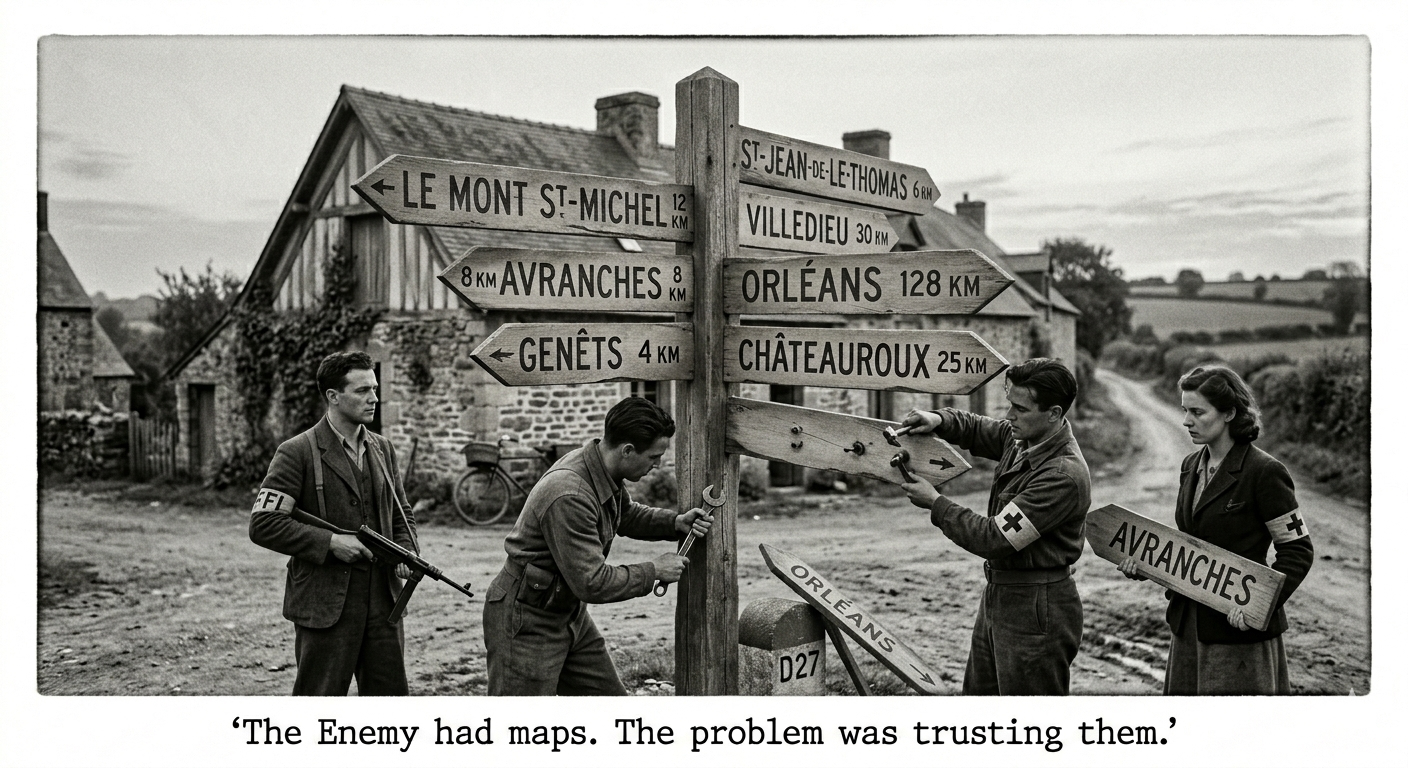
Before D-Day, Operation Fortitude deceived reconnaissance. The Allies deliberately constructed a false environment designed to make German intelligence learn the wrong thing.
And in Operation Chastise, the RAF disrupted capability by attacking infrastructure supporting Germany’s war machine rather than waiting to confront its output.
Deny. Deceive. Disrupt. Different effects. Same principle: contact changes something for the adversary.
Cybersecurity still spends enormous effort trying to see hostile activity, collect telemetry, correlate events and determine what happened.
But against reconnaissance in force at machine speed, seeing contact is not enough.
Ridgeback turns that principle into network defense.
Deny unauthorized access and lateral movement. Deceive reconnaissance with Phantom assets that respond on behalf of unused IP space. Disrupt the attack by isolating the affected host at contact.
Rather than merely recording what an autonomous attacker learns, Ridgeback is designed to change what it can reach, what it discovers and whether it can continue.
Deny. Deceive. Disrupt. With Ridgeback, contact becomes a defensive action—not just another alert.